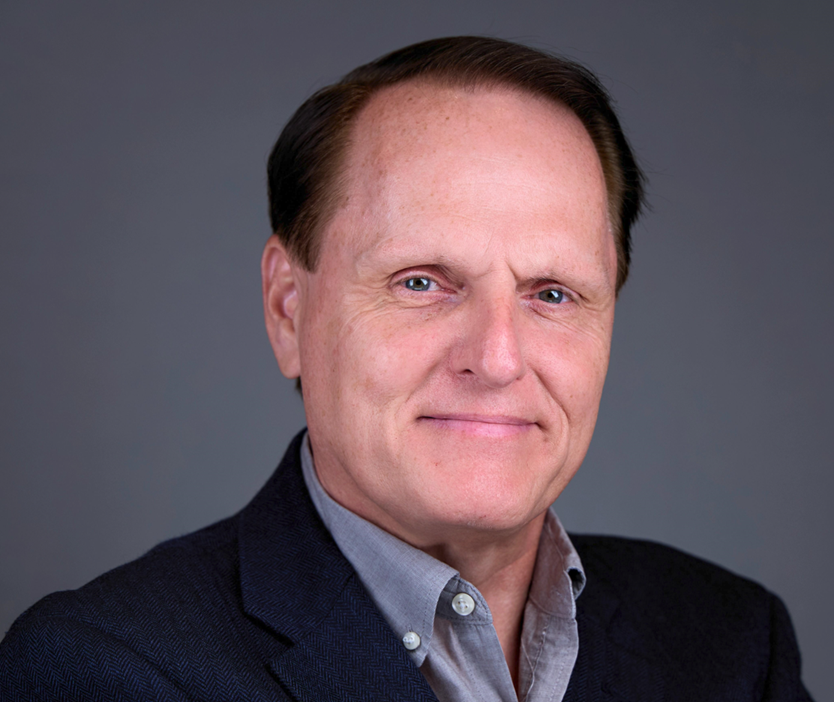
David D. Holcomb, PhD
Senior Fellow
Speaker, Trainer, Consultant
Available for:
Speaking – Keynotes, conferences, off-sites, TEDX, and subject matter presentations
Consulting: Executive consulting for Data Strategy, Organizational and Data Culture, strategic planning, digital strategy, monetization of data, artificial intelligence, and operational excellence
Training: Data Culture fundamentals, Data Culture advanced, Organizational design for data decision making
About David:
David Holcomb has personally designed and implemented multiple operational, data warehouse and business intelligence environments. David brings a well-rounded technical and business background. In addition to leading teams in data intense environments including Verizon, Capital One, Dex Media, Western Union, and University of Chicago Medicine, David has experience in the sales, sales operations, and operations departments of many organizations including being a Chief Data Officer (CDO) and Chief Operating Officer (COO).
In addition to his industry experience, Dr. Holcomb has two PhDs. The first in Business (Organization Behavior) studying social exchange theory, commitment, and trust; the second in Information Technology covering numerous topics including the use of technology to replace the in-office experience during the COVID-19 pandemic. Dr. Holcomb has taught Data Warehousing / Business Intelligence, Supply Chain Management, Business Analytics, Information Security, Management and Organizational Behavior, and Project Management at the graduate level. Dr. Holcomb has redesigned coursework in supply chain and data warehousing and developed the capstone course for a bachelor’s degree in project management and performed as a doctoral dissertation committee member, specifically as the subject matter expert for leadership theory. He is a speaker, presenter, and writer in technology including data design, data warehousing, artificial intelligence, and data theory, and human behavior including leadership theory, individual behavior, organizational design, and culture.